What should be in a patient injection kit a clinic hands out?
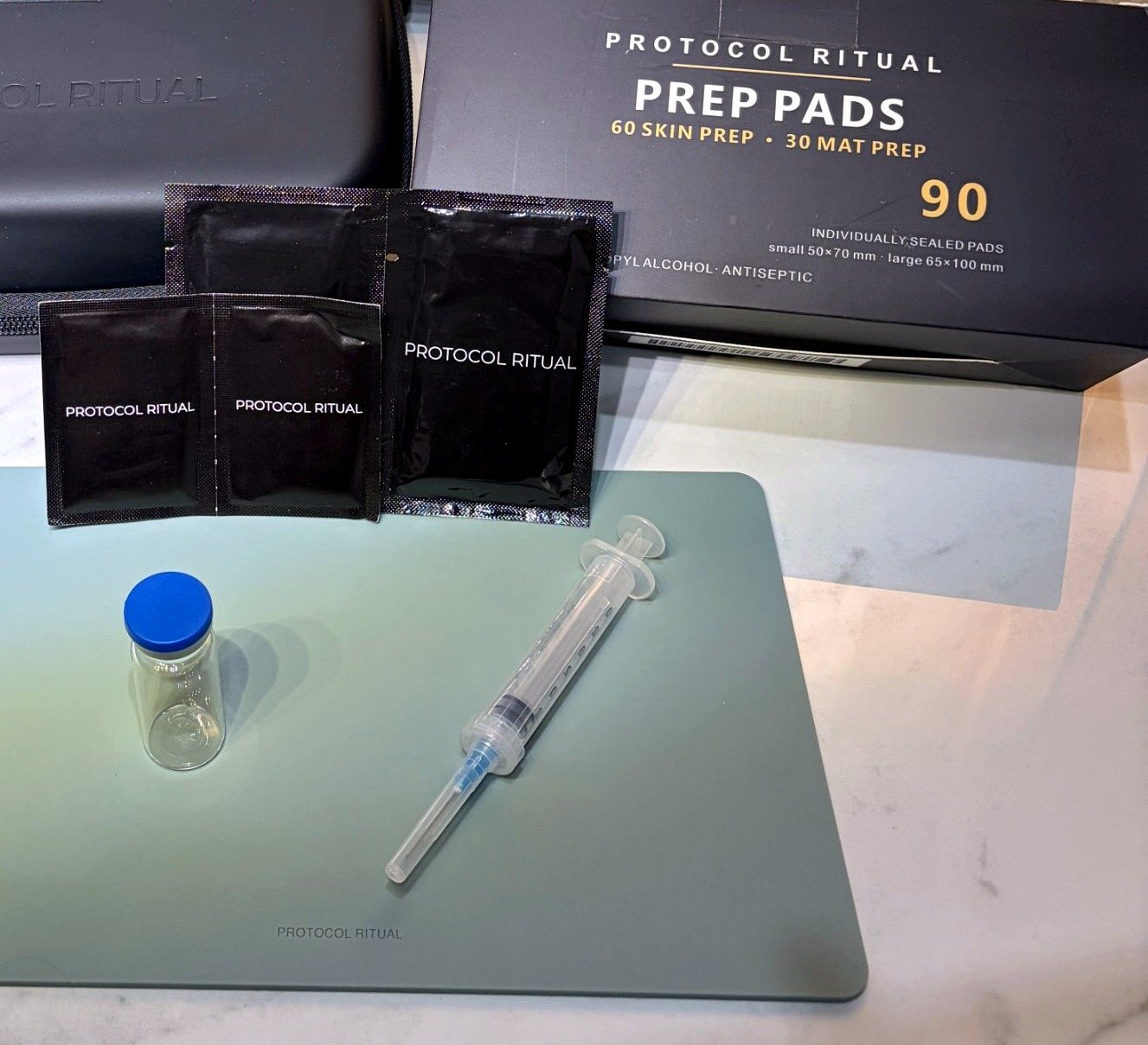
A patient injection kit should do four things: give every dose a clean surface, put the right pad in the patient's hand, hold the vials and syringes so nothing rolls or breaks, and, for refrigerated medication, keep it at 2–8 °C while it travels. Everything else is packaging.
Here is the list, piece by piece, with the reason each one is there.
1. A reconstitution mat
The first problem a patient has at home is where to put things down. A bathroom counter, a kitchen table, a hotel desk: none of them is clean, flat or still.
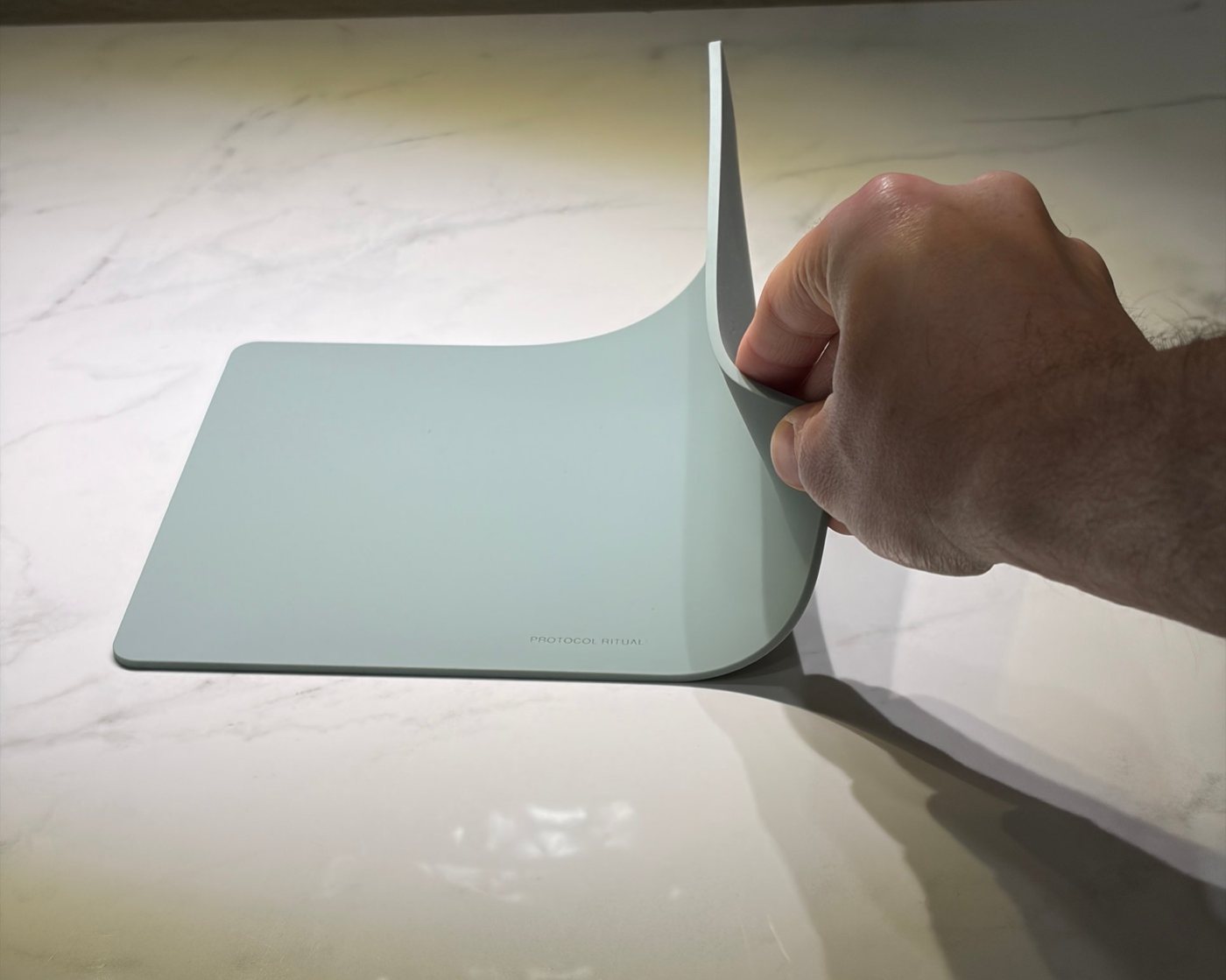
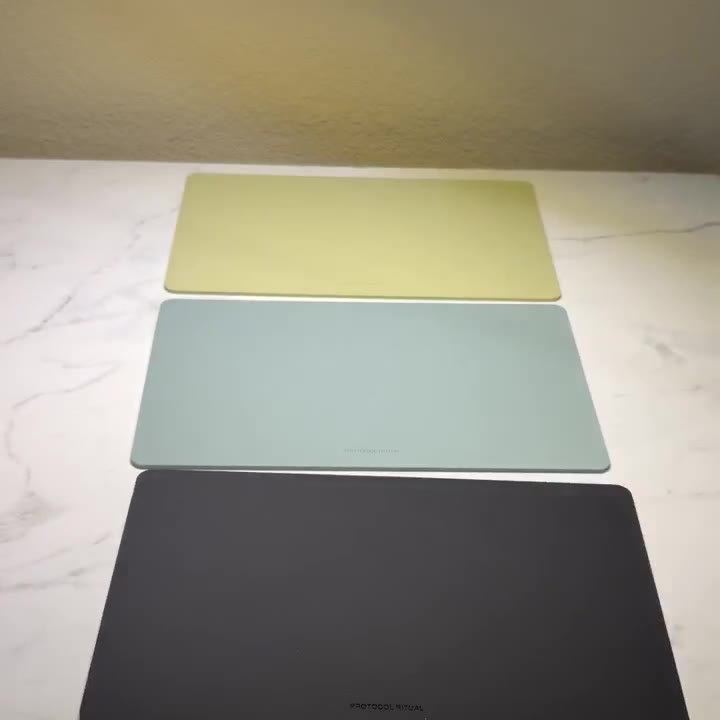
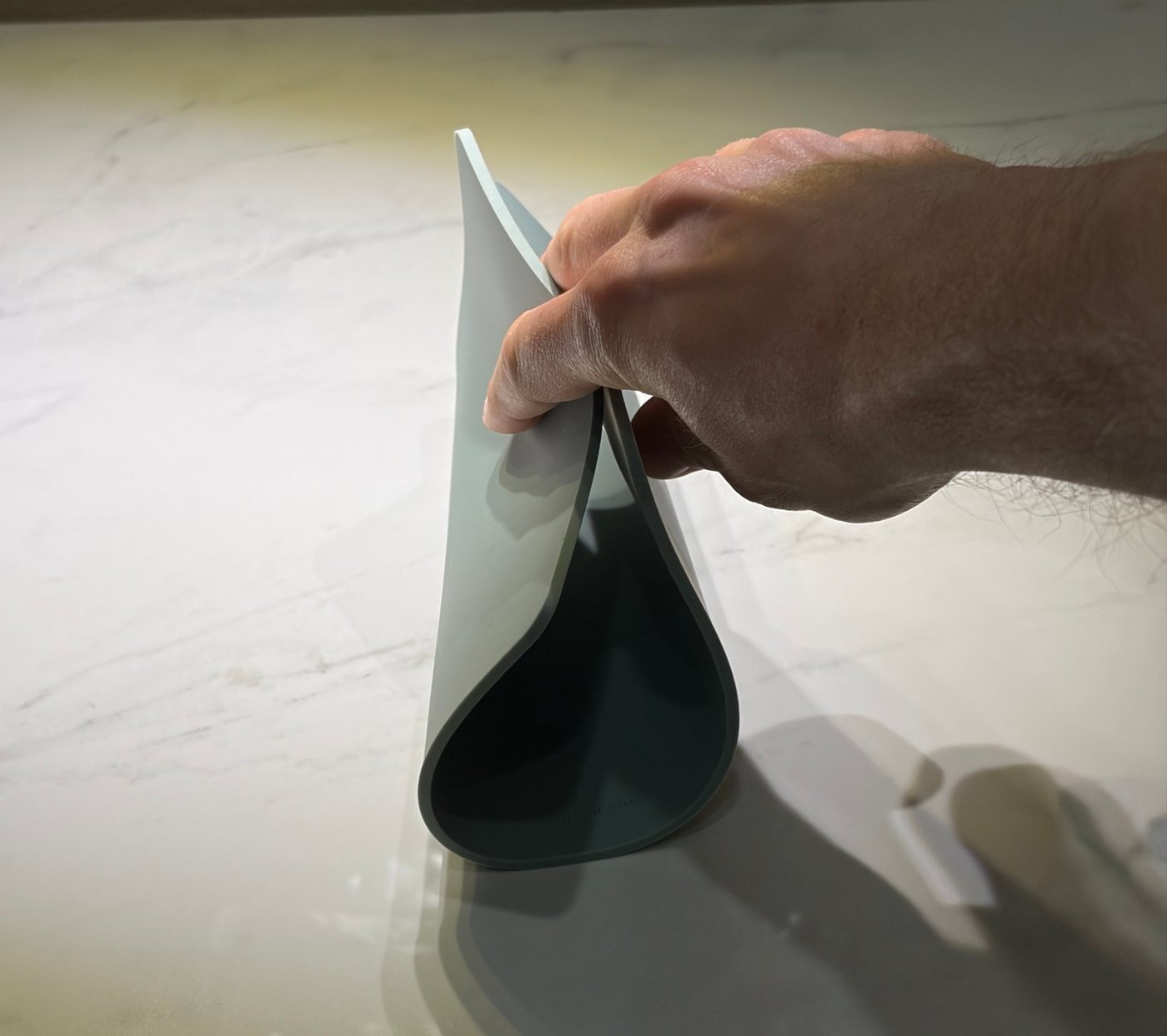
A weighted silicone mat fixes all three. It lies flat, stays put, wipes clean with a pad, and gives the patient one defined place to set the vial, the syringe and the opened pad. A 3 mm platinum-cured mat with FDA food-contact and LFGB grade silicone is the standard to ask for.
2. Alcohol prep pads, in two sizes
Most kits throw in one size of pad. Two sizes do two jobs:
- Small (50×70 mm) for the skin at the injection site.
- Large (65×100 mm) to wipe the mat before and after.
A box of 90, split 60 skin and 30 mat, covers a month of daily doses with mat wipes to spare. Each pad is 70% isopropyl alcohol, individually sealed, with a Drug Facts panel on the box.
3. A case cut to what the clinic dispenses
A generic pouch holds everything and secures nothing. A hardshell case with a cut tray holds each vial upright, slots each syringe, and keeps pads in a mesh pocket. The tray is drawn to the clinic's vial sizes and syringe type, so a 3 mL vial and a 10 mL vial each have their own pocket.
The case is also where the clinic's name lives: engraved on the lid, seen every time the patient opens it.
4. For refrigerated medication: a cold-chain case
If the medication is labeled for 2–8 °C, the kit needs a way to hold that range outside the refrigerator. Two approaches:
- Phase-change material. Pouches that melt at +5 °C, charged overnight in a household freezer, no batteries. The CDC's vaccine transport guidance names phase-change material in the 4–5 °C range as a coolant option and warns against frozen gel packs. The Cold Pod is built on this: 400 g of +5 °C material, organically made and sourced domestically, with a Bluetooth logger in the tray that records every minute to a free app on the patient's phone.
- A rechargeable cooler. For trips longer than a freezer charge. Holds pens and vials standing, charges by USB-C from a power bank, car or wall, and sits under the 100 Wh carry-on limit.
5. The box it arrives in
A kit that arrives as one branded box reads as a product. The same pieces in a shipping bag read as supplies. The box is the cheapest part of the kit and the first thing the patient sees.
What to leave out
Sharps containers are regulated by state and usually come from the pharmacy or a mail-back program. Syringes and needles are dispensed with the medication. The kit is everything around the dose, not the dose itself.
One supplier or six?
Each item above comes from a different kind of factory: silicone, nonwovens, EVA cases, cold-chain materials, electronics, printed packaging. Sourcing them separately means six vendor accounts, six proofs and six deliveries. A single supplier that has already done that work delivers one kit, with one mark, to one door.
Get a quote or see the product line.
Questions
What is the minimum a patient injection kit should include?
A clean surface to draw up on (a mat), alcohol prep pads for the skin, a case that holds the vials and syringes upright, and, if the medication is refrigerated, a cold-chain case for travel.
Why two sizes of prep pad?
A small pad (50×70 mm) preps the injection site. A large pad (65×100 mm) wipes the mat down before and after. Using one size for both means either the mat stays dirty or the patient wastes pads.
Does the kit need a temperature logger?
Only for refrigerated medication that travels. A logger in the case records the temperature every minute, so the patient and the clinic can see the whole trip rather than guess.