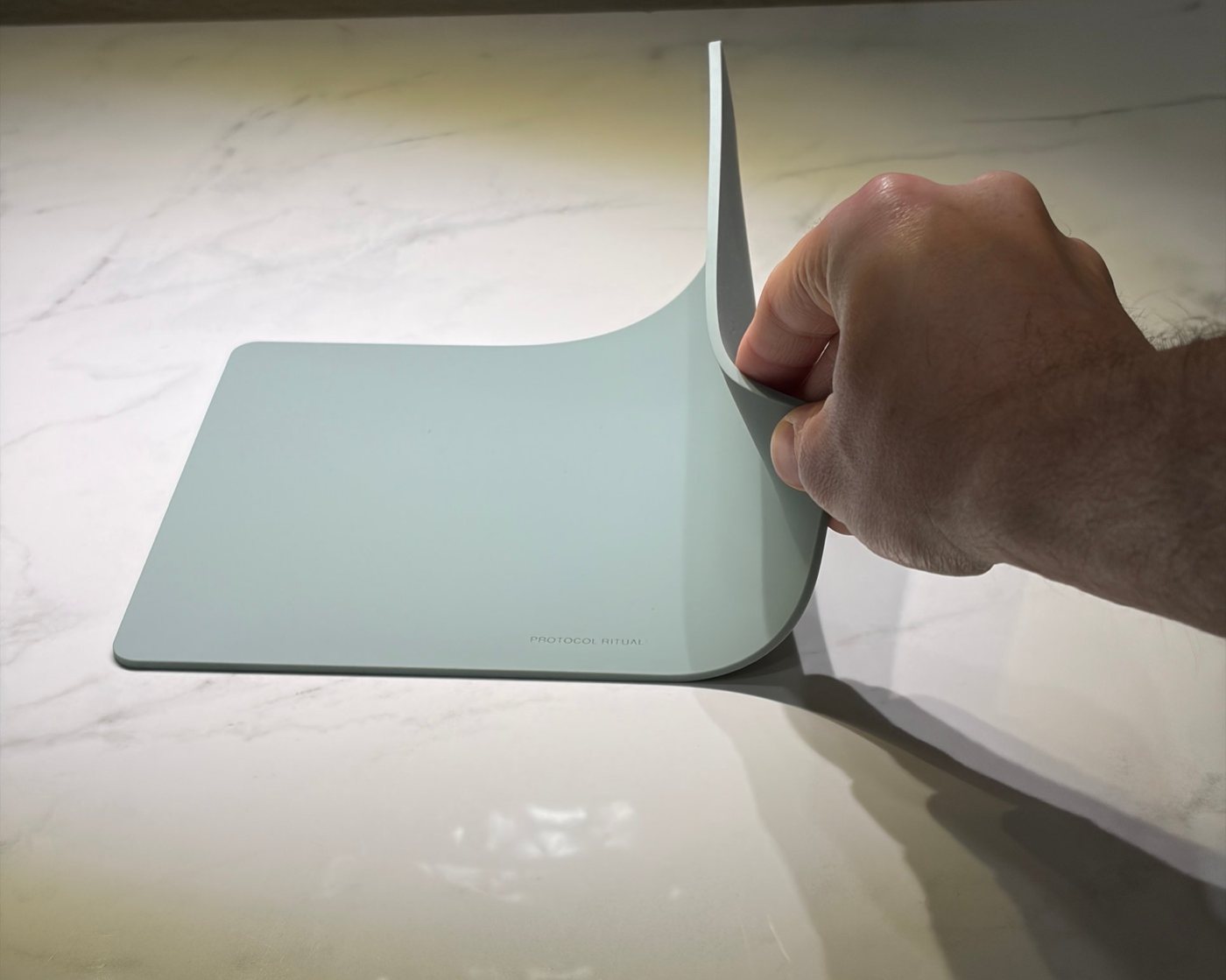
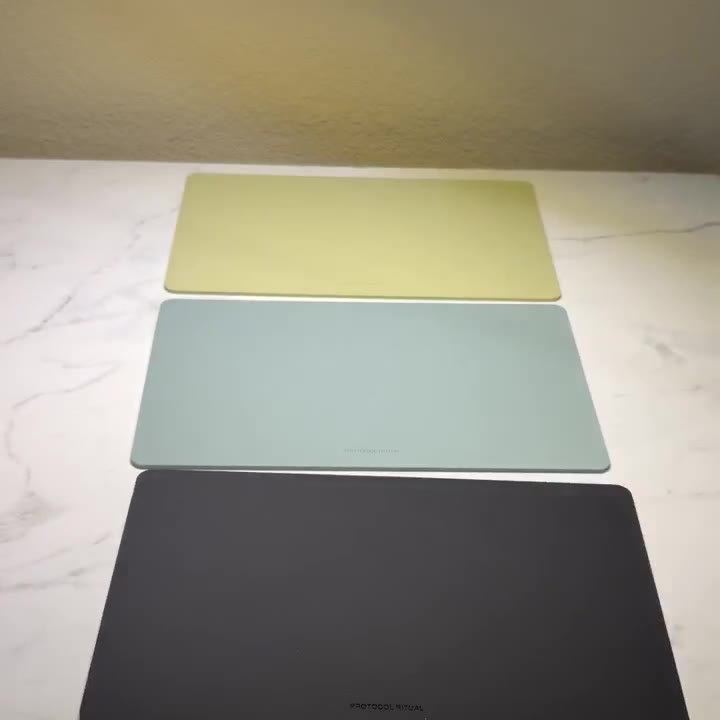
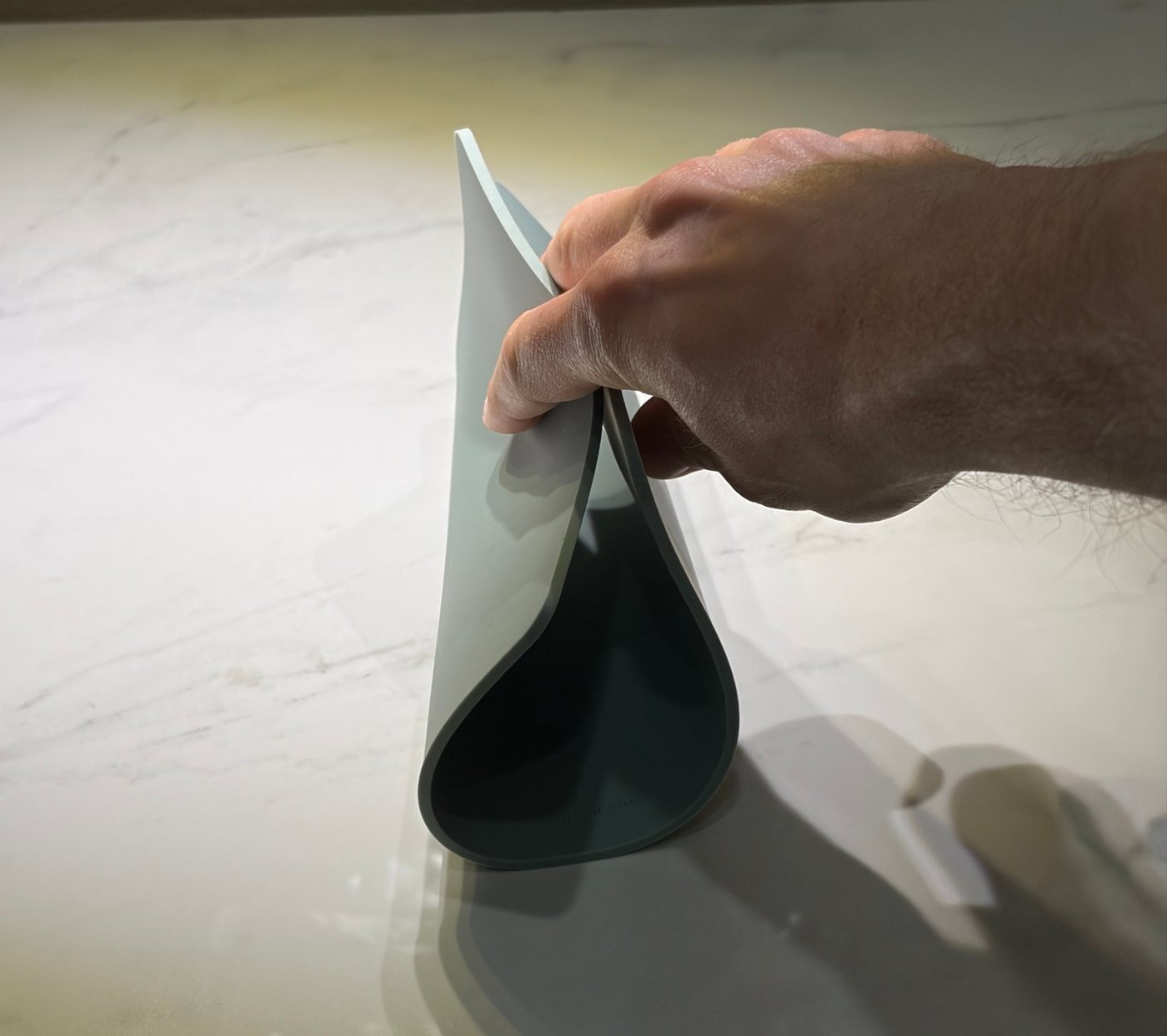
How should patients travel with refrigerated medication?
Refrigerated medication is labeled for 2–8 °C, and the label does not stop applying when the patient leaves the house. The practical question for a clinic is what to hand the patient so the medication stays in range on the way to work, on a flight, or over a weekend away. There are two good answers, and they fit different trips.
For a day: a phase-change case
A case charged with +5 °C phase-change material holds the range with no battery and nothing to plug in. The patient puts the pouches in a household freezer overnight, zips the case in the morning and goes. At security there is nothing to declare.
The Cold Pod is built this way: four pouches, 400 g of +5 °C material, organically made and sourced domestically. In seven full-length logged runs at room temperature the median time inside 2–8 °C was 8 hours. The material is the kind the CDC names in its vaccine transport guidance, and it is not a gel pack: gel packs freeze at 0 °C, below the range.
Best for: the commute, a day at the clinic, a drive to a second home, a flight within the same day.
For longer: a rechargeable cooler
When the trip runs longer than a freezer charge, a rechargeable cooler is the better case. Totem holds pens and vials standing, charges by USB-C from a power bank, a car or a wall, and sits under the 100 Wh limit for carry-on batteries. The clinic's mark is laser-engraved on the body.
Best for: multi-day travel, a trip with no freezer at the other end, international flights.
Either way: log it
The CDC's transport guidance calls for a temperature monitoring device in each container, preferably a digital data logger placed with the product. A readout on the lid tells the patient what the temperature is now. A logger tells them, and the clinic, what it was for the whole trip.
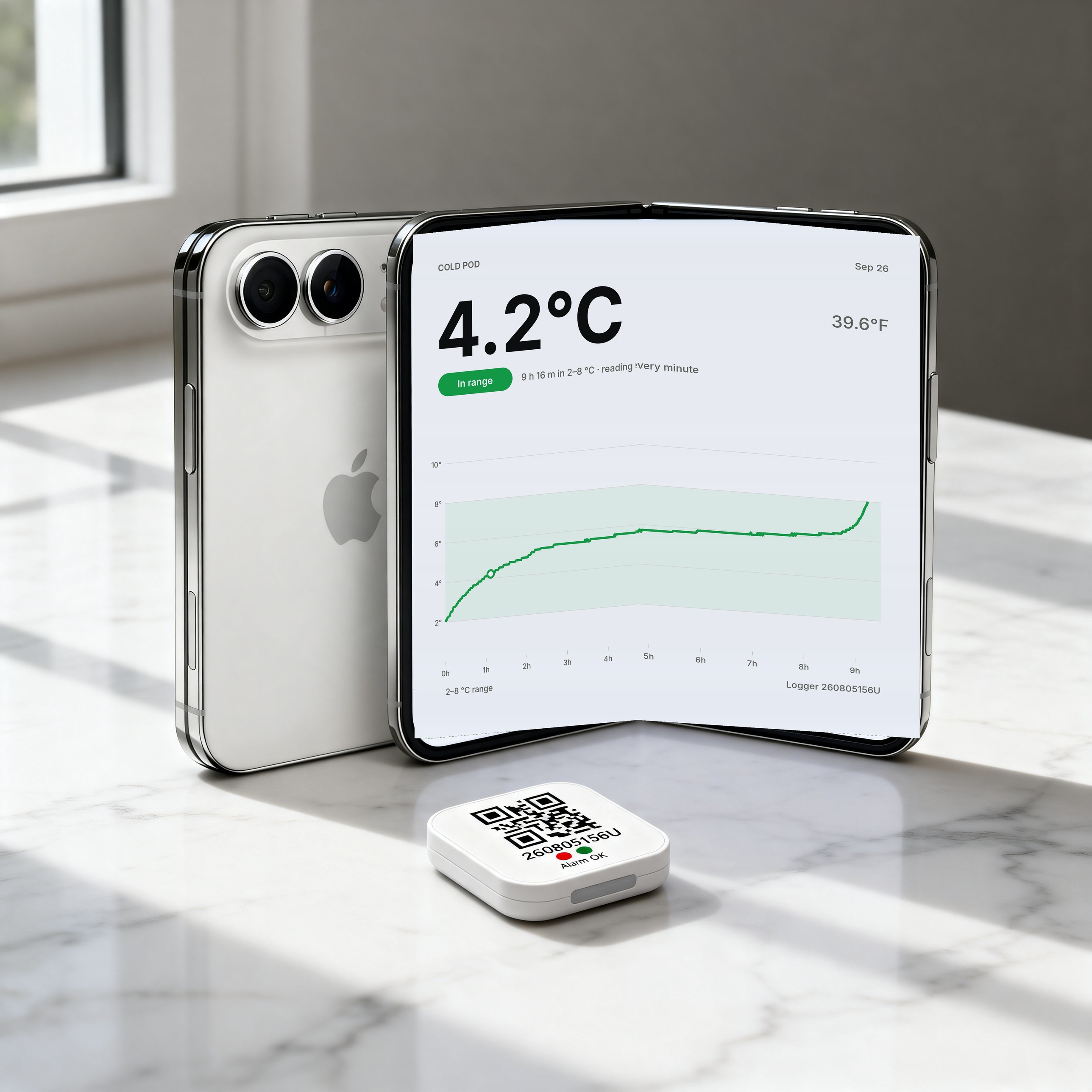
The Cold Pod carries a Bluetooth logger in the tray. It reads every minute and shows the trip in a free app on the patient's phone: the temperature line, the 2–8 °C band, mean kinetic temperature, and a PDF if anyone asks.
What to tell the patient
- Charge the pouches overnight, every time. A half-charged pouch is a half-day case.
- Keep the case closed. Every opening lets heat in.
- Check the log, not the lid. The lid is a glance; the log is the record.
- For trips longer than a day, take the rechargeable cooler and a power bank.
What these cases are not
Storage and travel cases, not medical devices. They hold temperature; they do not treat anything. The medication's own label governs how it is stored, and the clinic's own instructions govern how it is used.
See the Cold Pod, the product line, or get a quote.
Questions
Can a patient take a medication cooler through airport security?
A freezer-charged phase-change case has no battery and nothing to declare. A rechargeable cooler needs a battery under the 100 Wh limit for carry-on; check the airline's current rules before flying.
How does the patient know the medication stayed cold?
With a logger in the case. The Cold Pod's Bluetooth logger records every minute and shows the trip in a free app, with the 2–8 °C band and a PDF export.
What is the difference between a phase-change case and a rechargeable cooler?
A phase-change case is charged overnight in a freezer and runs on no power; it is for trips within a day. A rechargeable cooler runs on a battery charged by USB-C and is for trips longer than a freezer charge.